


What Diagnostic Imaging Can Reveal: How X-Rays and Ultrasounds Help Us Treat Your Pet Faster
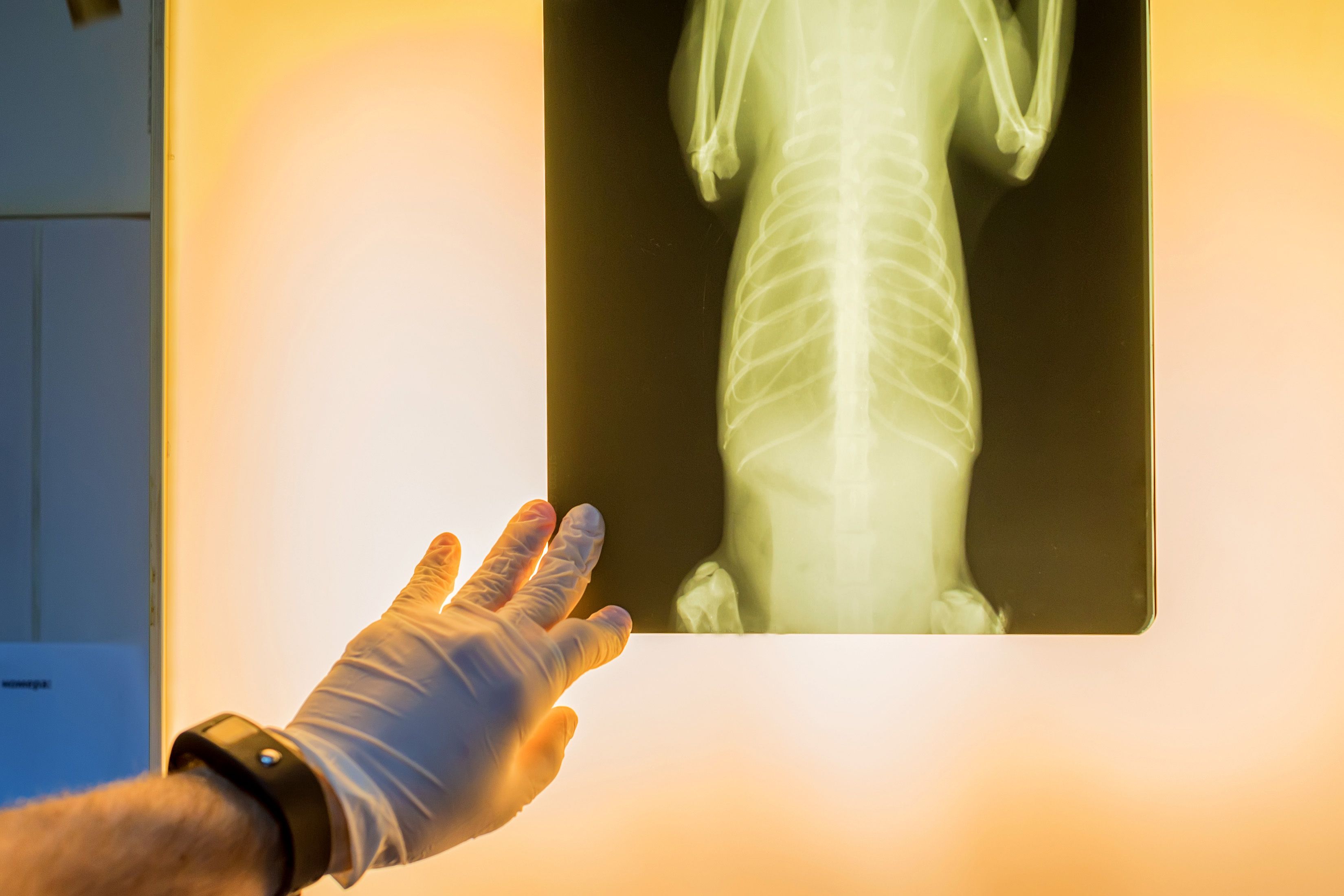
When your pet isn’t feeling well, getting answers quickly can make all the difference. Because animals can’t tell us exactly what hurts or how long something has been wrong, veterinarians rely on advanced diagnostic tools to see what’s happening beneath the surface. Diagnostic imaging plays a critical role in identifying problems early and creating an effective treatment plan without delay.
Why Diagnostic Imaging Matters
Many illnesses and injuries aren’t visible during a physical exam alone. Diagnostic imaging gives veterinarians a clear, non-invasive look inside your pet’s body, helping us confirm or rule out serious conditions without unnecessary guesswork.
By identifying issues early, imaging can:
• Speed up diagnosis and treatment
• Reduce the need for exploratory procedures
• Improve treatment outcomes
• Provide peace of mind for pet owners
How X-Rays Help Diagnose Your Pet
X-rays (radiographs) are one of the most common and effective imaging tools in veterinary medicine. They work by capturing images of dense structures inside the body.
X-rays are especially useful for detecting:
• Broken or fractured bones
• Arthritis and joint abnormalities
• Heart and lung conditions
• Bladder or kidney stones
• Foreign objects that may have been swallowed
Because X-rays are fast and highly detailed, they are often the first step when a pet has suffered trauma, is limping, or is experiencing respiratory issues. In many cases, X-rays allow us to make a diagnosis within minutes and move forward with treatment right away.
How Ultrasounds Provide a Closer Look
While X-rays are excellent for viewing bones and dense objects, ultrasounds specialize in examining soft tissues and organs. Ultrasound technology uses sound waves to create real-time images, allowing us to observe movement and structure simultaneously.
Ultrasounds are commonly used to evaluate:
• The liver, kidneys, spleen, and bladder
• Gastrointestinal issues
• Pregnancy and reproductive health
• Internal bleeding or fluid buildup
• Tumors or abnormal growths
Because ultrasounds provide live images, they are particularly helpful in complex or unclear cases where more detail is needed. This allows for more accurate diagnoses and targeted treatment plans.
Faster Answers Mean Faster Treatment
One of the biggest benefits of diagnostic imaging is speed. When we can quickly identify the cause of your pet’s discomfort, we can start the appropriate treatment sooner - whether that’s medication, surgery, or supportive care.
Faster diagnosis can mean:
• Less pain and stress for your pet
• Fewer follow-up visits
• More effective treatment options
• Better long-term outcomes
Understanding Your Pet’s Health From the Inside
Diagnostic imaging is a powerful tool that helps veterinarians look beyond symptoms and get to the root of the problem. By using X-rays and ultrasounds, we can diagnose conditions accurately, create treatment plans efficiently, and help your pet recover faster. These technologies allow us to provide a higher level of care while minimizing stress for both pets and their owners.
If your pet is showing signs of illness, pain, or unusual behavior, early answers matter. Contact Ramsgate Veterinary Clinic to learn how diagnostic imaging can help us identify the problem and guide the right care for your pet. Call our facility in Waco, Texas, by calling (254) 848-4083 today.


Powered by: 