


Preparing Your Horses and Pasture Pets for Central Texas Weather Drops and Mud Season
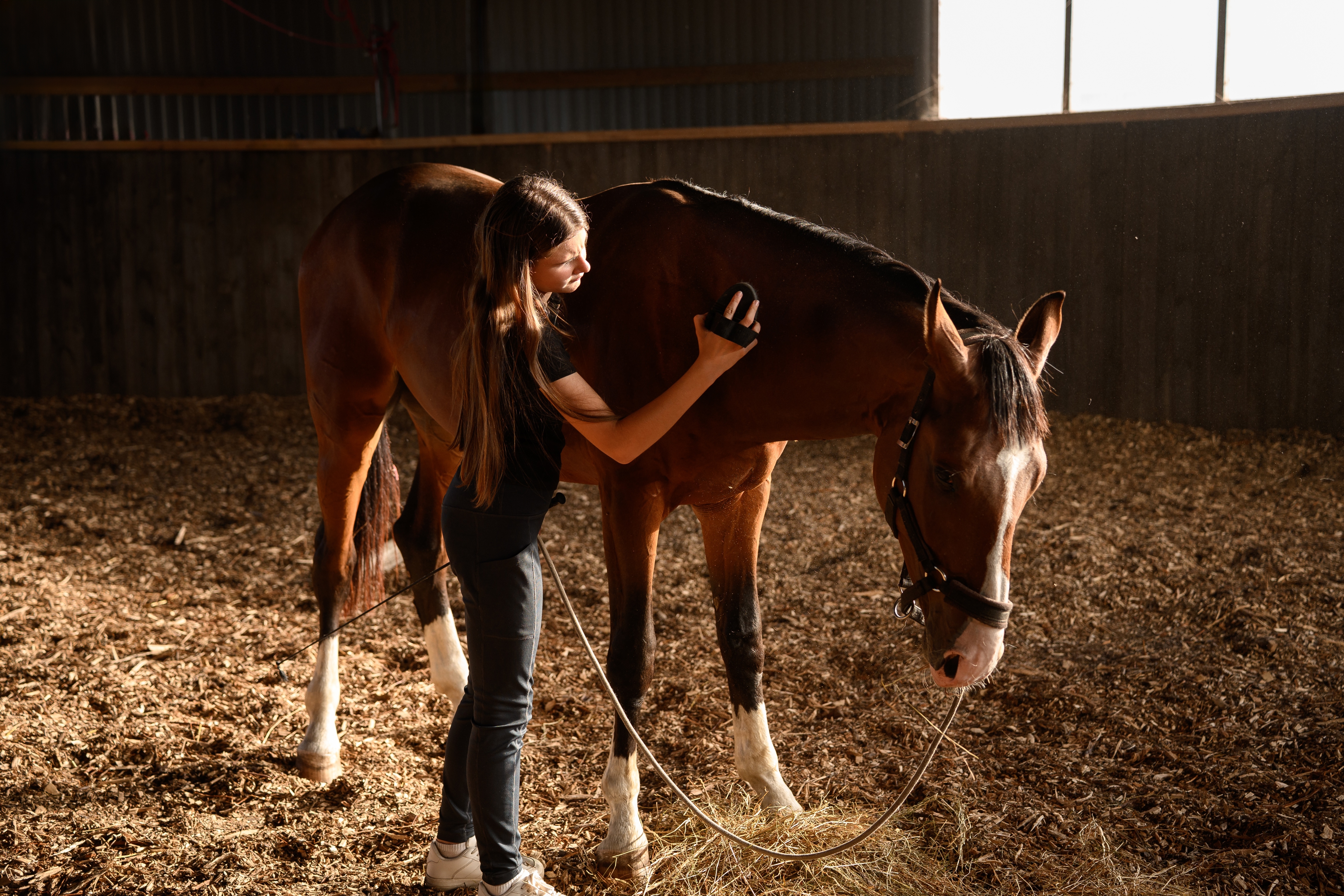
Central Texas weather can change quickly, bringing sudden temperature drops, heavy rainfall, and muddy pastures. For horses and other pasture animals in Waco and surrounding communities, these conditions can create health and safety concerns. At Ramsgate Veterinary Clinic, we encourage owners to prepare early to protect their animals from cold stress, hoof problems, and seasonal illnesses.
How Sudden Weather Changes Affect Horses and Pasture Animals
Horses are generally well-equipped to tolerate cooler temperatures, but sudden weather changes combined with rain and wind can make it harder to stay warm. Young, senior, underweight, or ill animals may be especially vulnerable.
Wet conditions also increase the risk of hoof infections, skin irritation, and slipping injuries. Prolonged exposure to muddy ground can contribute to conditions such as thrush, hoof abscesses, and pastern dermatitis.
For goats, donkeys, and other pasture animals, shelter and nutritional requirements vary by species. Maintaining a dry environment and monitoring their behavior can help prevent weather-related complications.
Essential Tips for Preparing Your Pasture for Cold and Wet Weather
Preparing your property before temperatures drop can make a significant difference in your animals' comfort and safety.
• Provide Dry Shelter: Make sure horses and pasture animals have access to suitable shelter that protects them from rain, wind, and excessive moisture.
• Maintain Clean Water Sources: Check water troughs regularly to ensure animals have access to fresh, unfrozen water throughout colder weather.
• Manage Muddy Areas: Improve drainage around gates, feeding stations, and water troughs to reduce standing mud and slippery footing.
• Adjust Feeding as Needed: Horses may need additional forage during colder temperatures. Consult your veterinarian before making major dietary changes.
• Inspect Hooves and Skin: Check for unusual odors, swelling, tenderness, skin irritation, or signs of infection after prolonged exposure to wet conditions.
Preventing Hoof Problems During Mud Season
Wet pastures create conditions that can soften hooves and increase exposure to bacteria. Horses spending extended periods in mud may develop thrush, which affects the frog of the hoof, or painful hoof abscesses.
Routine hoof cleaning, appropriate trimming schedules, and access to dry footing help reduce these risks. Watch for limping, reluctance to walk, or sensitivity when handling the hooves. If your horse develops sudden lameness or significant swelling, contact your veterinarian promptly rather than waiting for symptoms to improve.
Recognizing Signs of Cold Stress and Seasonal Health Problems
Weather-related health concerns are not always immediately noticeable. Changes in appetite, reduced drinking, unusual lethargy, or persistent shivering may indicate that an animal needs veterinary attention.
Cold weather can also increase the risk of dehydration and digestive problems when horses drink less water. Signs of colic, including pawing, repeated rolling, or looking at the abdomen, require immediate veterinary attention.
Regular wellness examinations and appropriate preventive care can help identify developing health concerns before they become more serious.
Schedule Equine Veterinary Care in Waco, TX
Prepare your horses for seasonal weather changes with professional veterinary guidance from Ramsgate Veterinary Clinic. Contact our facility in Waco, Texas, by calling (254) 351-0657 today.


Powered by: 